For Arbor Station Homes
Village homes from 1,322 to 4,747 sq ft need scopes by village, not by community average.
- Springwood, the original village
- Arbor Crossing, the latest addition
- Creekwood, the largest village
- Knollwood and Oakwood, 1970s stock
Roofing Arbor Station Douglasville GA means working a hub of eight villages, each kept distinct: Springwood, Arbor Crossing, Creekwood, Knollwood, Lakewood, Oakwood, Parkwood and Windwood.
8635 Park St, Douglasville, GA 30134, United States, Douglasville, Georgia
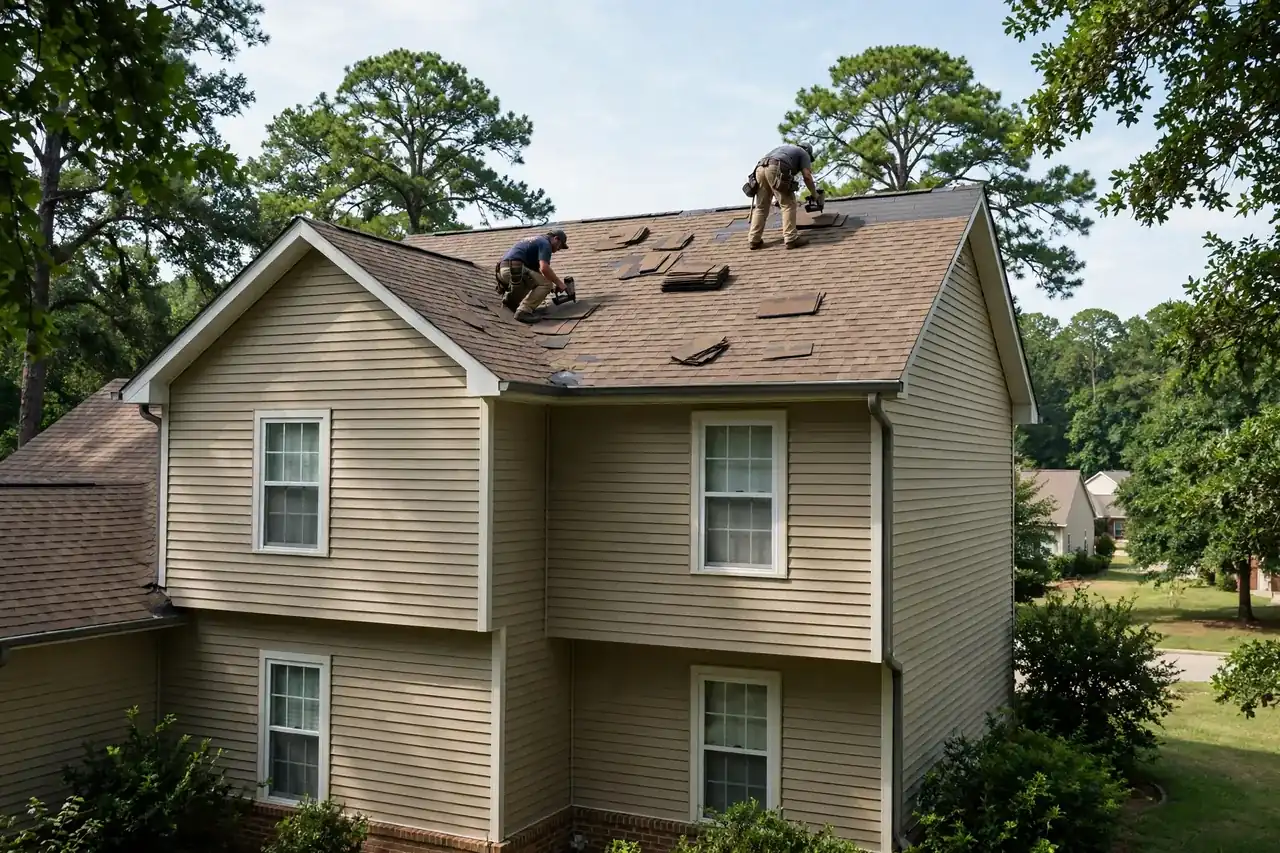
Serving Arbor Station and nearby
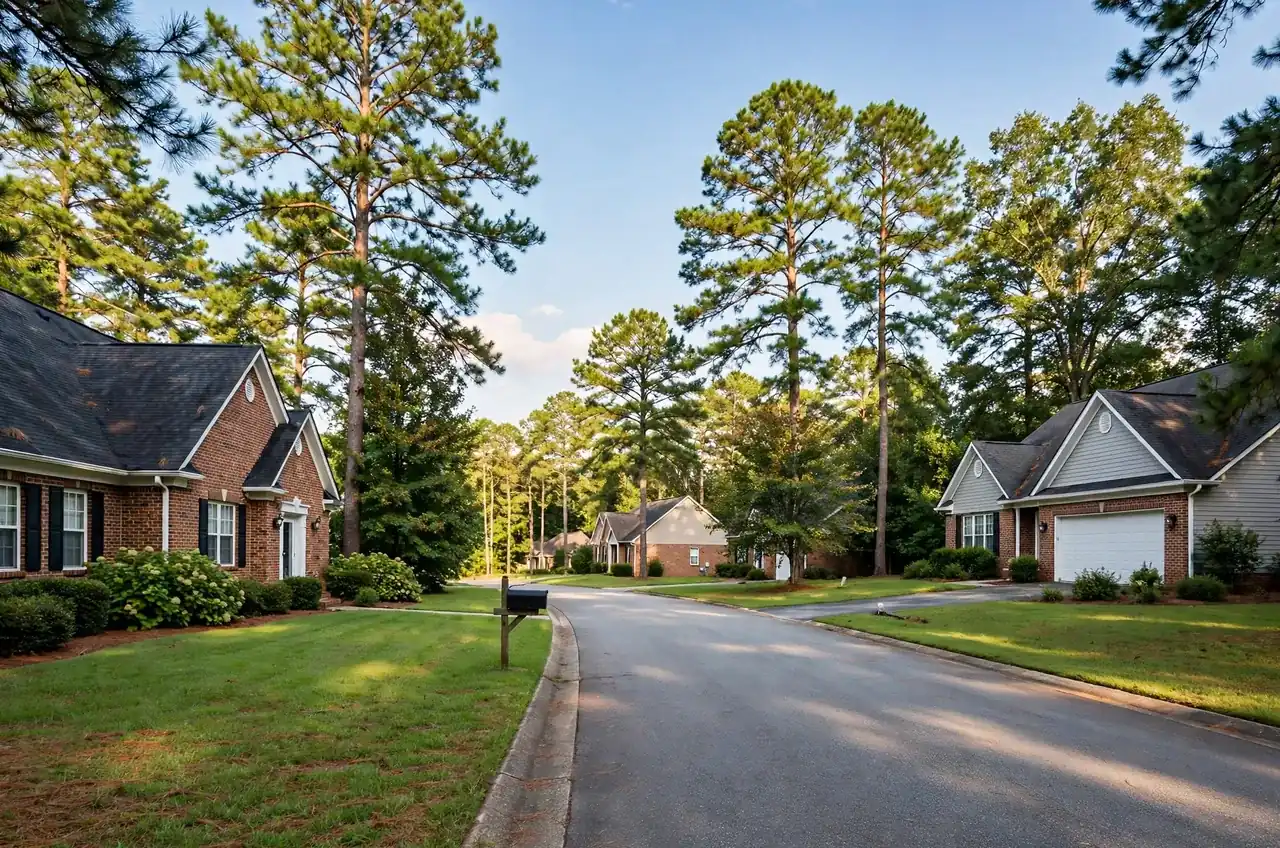
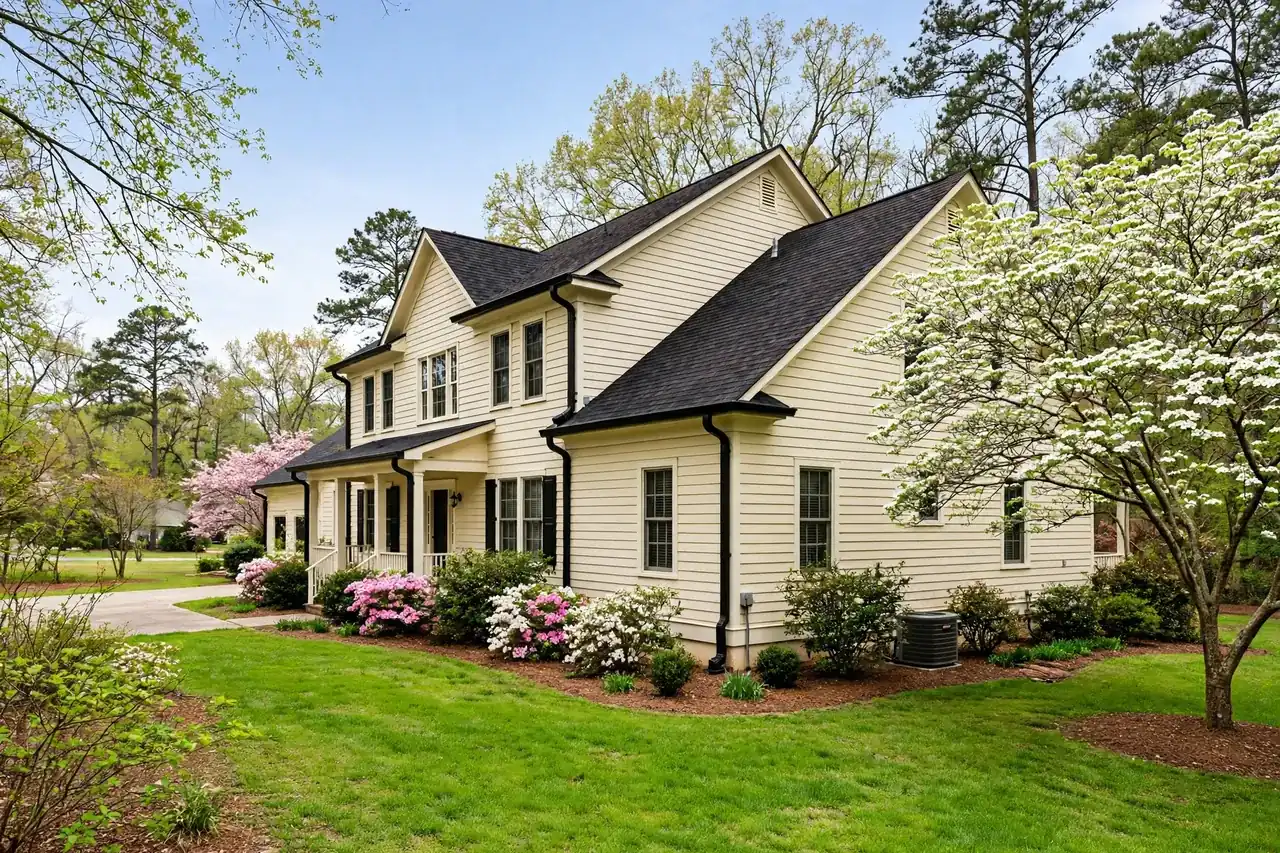
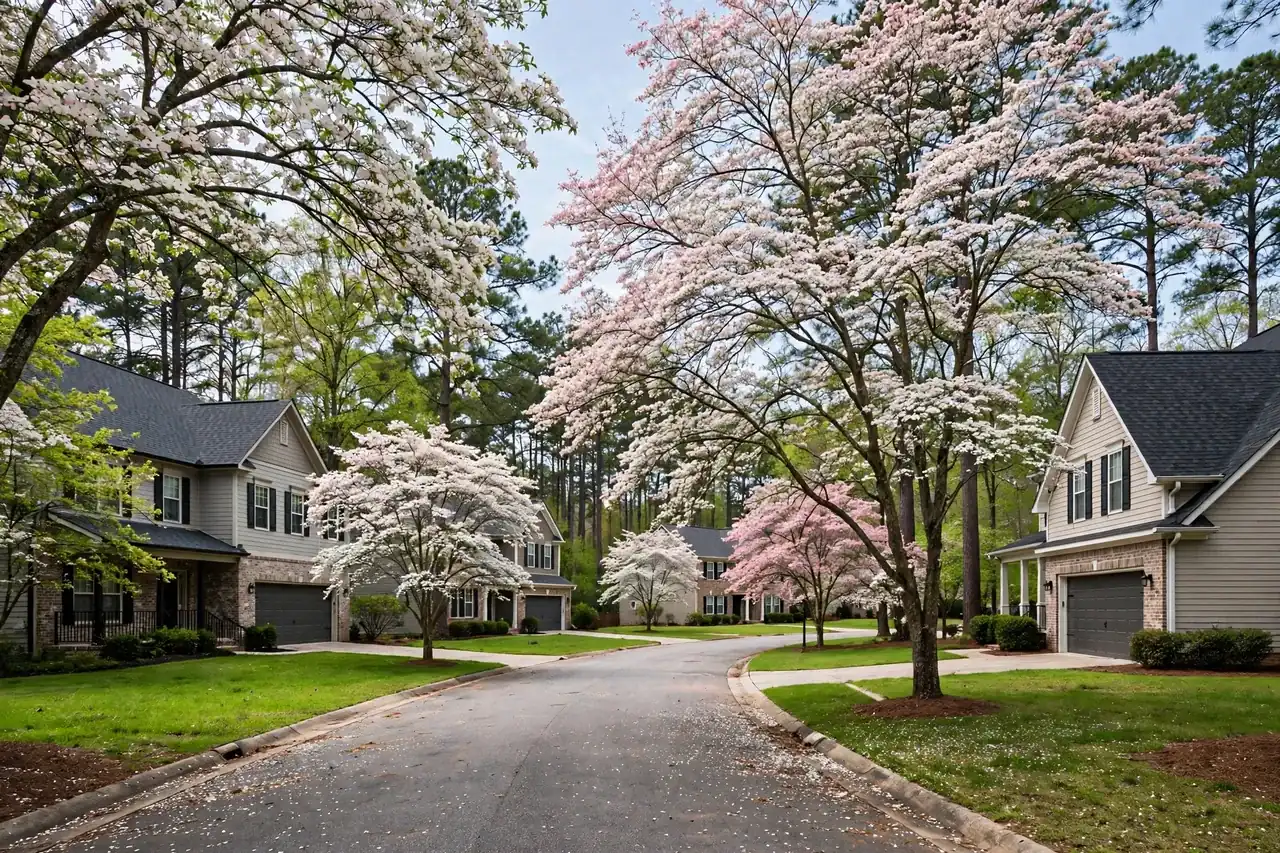
Roofing Arbor Station Douglasville GA is a hub page, and it says so in its first paragraph. Arbor Station sits south-central on the GA-5 and Bill Arp Road corridor, built 1974-2002, at 1,806-3,345 sq ft. The 2021 ActiveRain summaries give an average year built of about 1982; that figure is dated and is treated here as a dated summary, not a current fact. Composition is evidenced at 6950 Springwood Drive. Old-growth-tree lots by design and 36-plus acres of ASHOS common ground shape the inspection: shade, debris and common-ground trees are part of the scope conversation.
The villages, distinguished, not merged: Springwood, the original and first-built village; Arbor Crossing, the latest major addition (1990), built 1984-2006, 1,768-3,622 sq ft, HOA $31-$33 per month; Creekwood, 1981-2002, 3,034-4,747 sq ft, the largest in the community, HOA $6-$49 per month; Knollwood, 1976-1978, 1,322-3,345 sq ft, HOA $25-$31 per month; Lakewood, a townhouse, condo and single-family mix, 1986-1993, HOA $28-$400 per month, a wide range that reflects mixed housing types and must never be quoted as a single fee; Oakwood, 1978-1983, 1,602-2,916 sq ft, HOA $28-$31 per month; and Parkwood and Windwood, named in the community’s eight-village list with no separate build-year or fee detail retrieved, so no standalone pages are built for them yet and no detail is invented here. See shingle roofing and roof replacement for the village scopes.
The HOA-submittal angle differs per village, and covenants are still to be verified before any material or colour rule is stated, so this page says only to confirm colour and material rules with the association. Stewart Mill Acres sits in the Arbor Station school orbit but is a separate subdivision and must not be merged into Arbor Station. Build year is not roof age, and a 1970s village home may be on a later roof cycle than a 1990s village home. A roof inspection here starts by naming the village, because the village decides the era, the size and the fee range.
Anchors include Arbor Station Elementary. This is the single strongest missing page in the research, named in the starter service-by-neighbourhood matrix, and it exists because the eight villages must not be averaged into one profile. Nearby, see Stewart Mill and Chapel Hill, or return to the home page.
Good to know in Downtown Douglasville
Springwood, Arbor Crossing, Creekwood, Knollwood, Lakewood, Oakwood, Parkwood and Windwood are distinguished by build years, sizes and HOA ranges, never averaged into one profile.
Georgia has no state roofing licence (O.C.G.A. § 43-41-17 exemption). A state contractor licence applies only to work over $2,500 or beyond the roofing specialty. We claim no licence number and no manufacturer badges.
Old-growth-tree lots by design and 36-plus acres of ASHOS common ground mean shade, debris and common-ground trees shape every inspection.
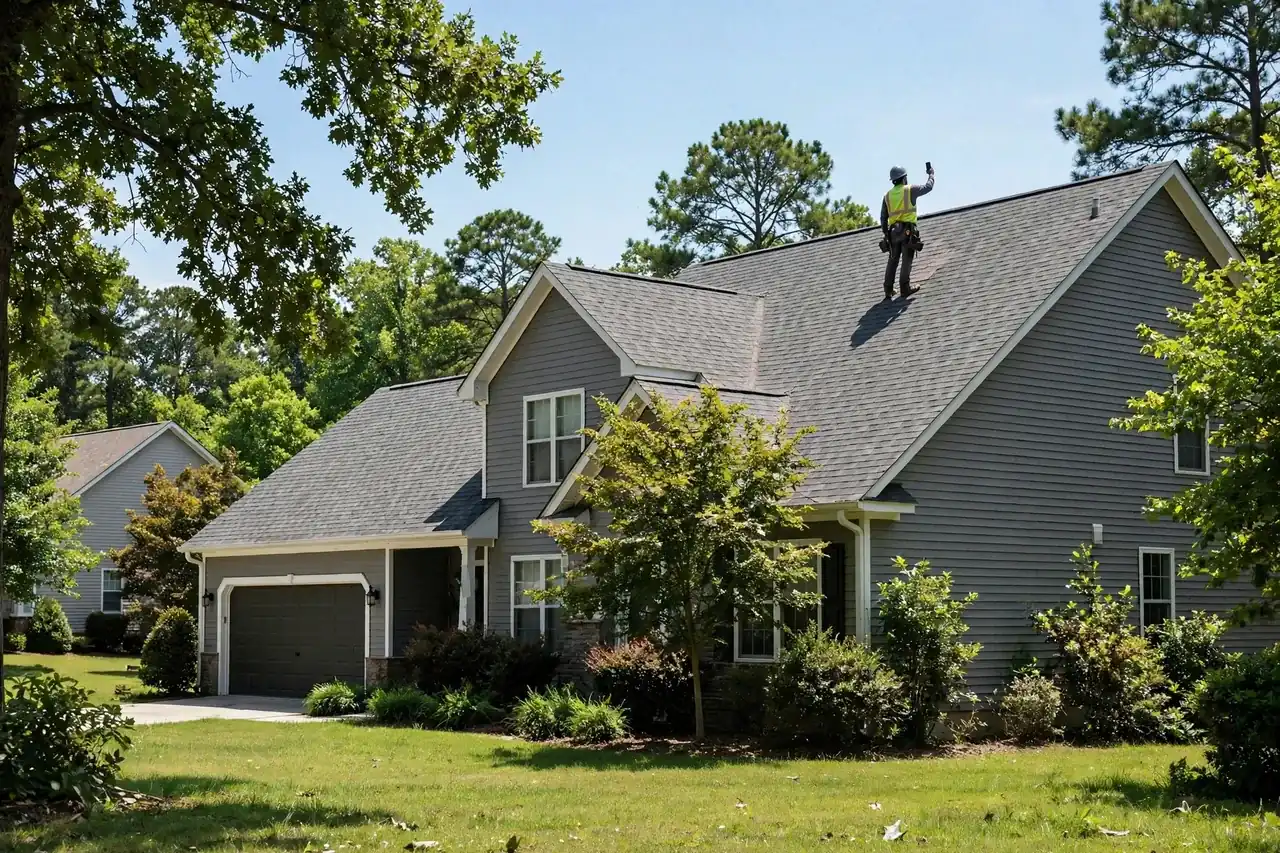
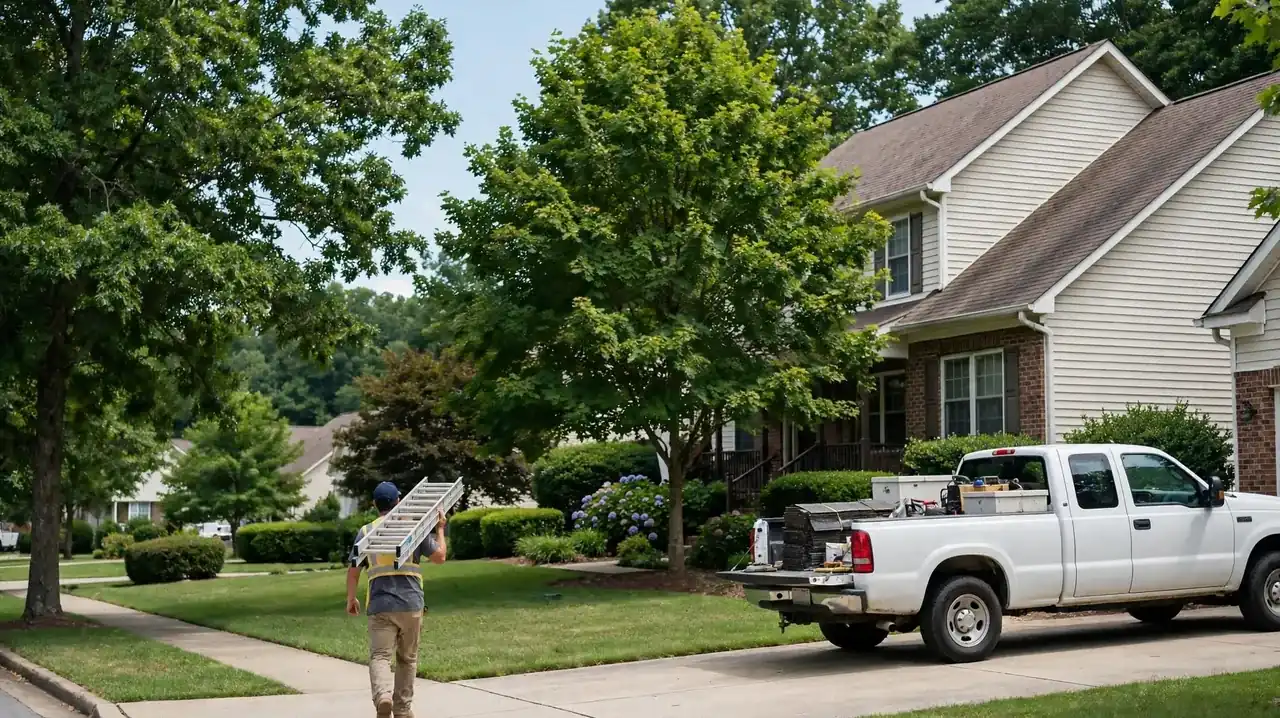
Every Arbor Station roof gets the same first step: we get on it, measure it, and photograph what we find, starting with which village it sits in.
New roof installation in Downtown Douglasville usually means a new build or an addition where the old deck has to be squared up first.
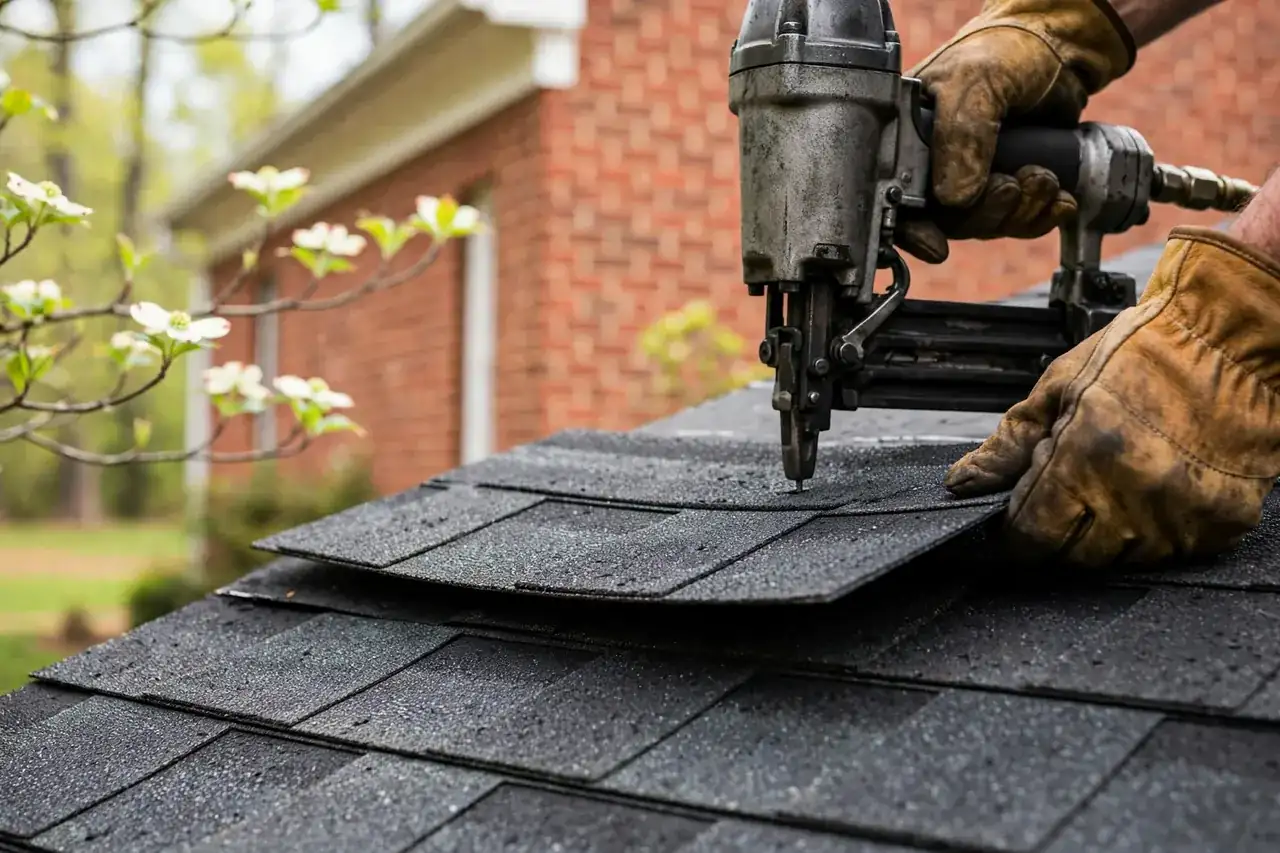
Full replacement on a Downtown Douglasville home means tearing off layers of old asphalt shingles, checking the deck for soft spots, and rebuilding from the sheathing up.
Repair work in Downtown Douglasville is mostly leaks, flashing failure and wind damage.
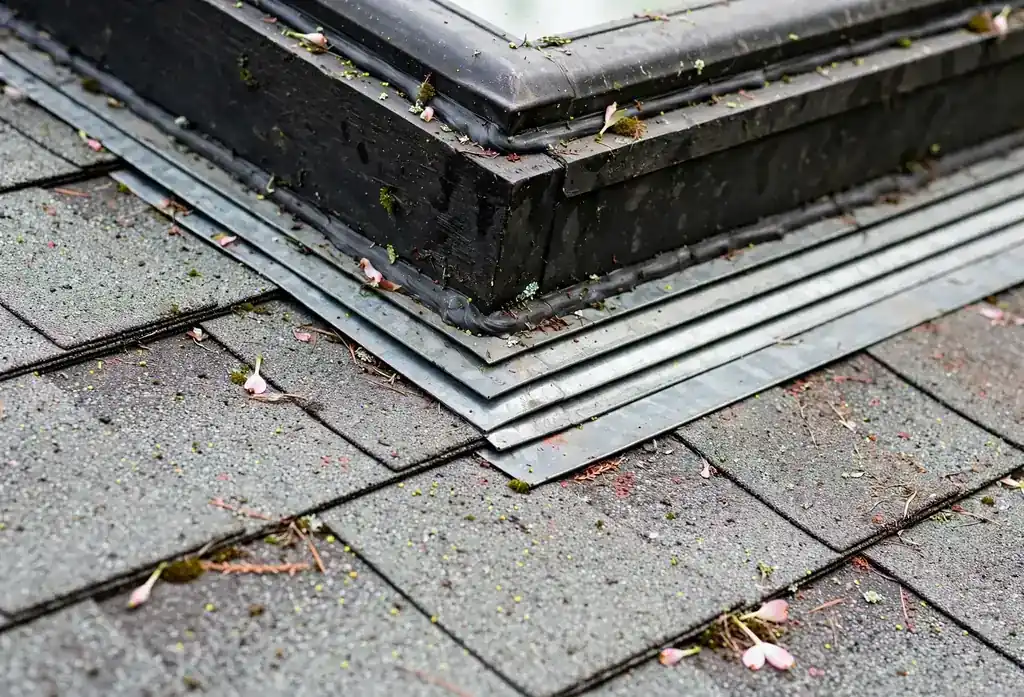
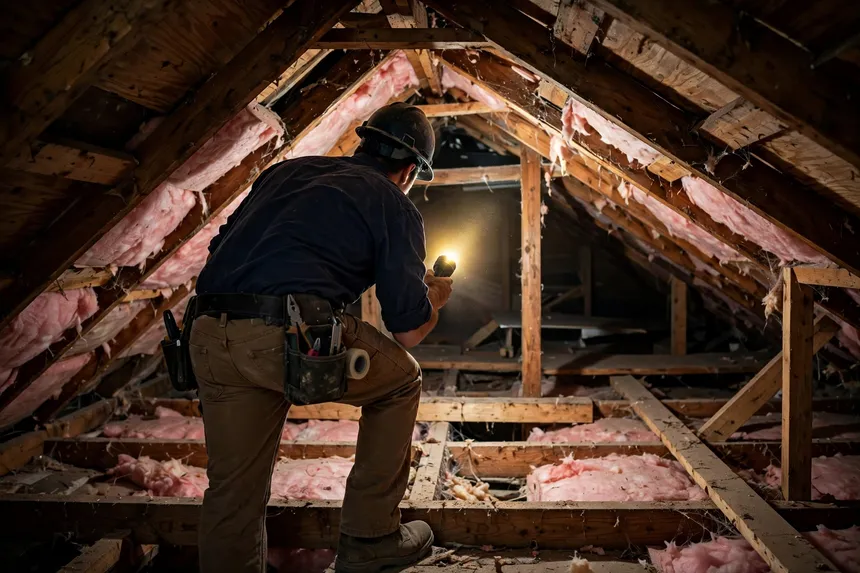
A Downtown Douglasville roof inspection covers the shingles, flashing, valleys, vents, chimney, skylights and gutters, plus an attic check for staining and condensation.
Maintenance plans make sense on the older roofs downtown.
Asphalt and architectural shingles cover most of the homes in Downtown Douglasville.
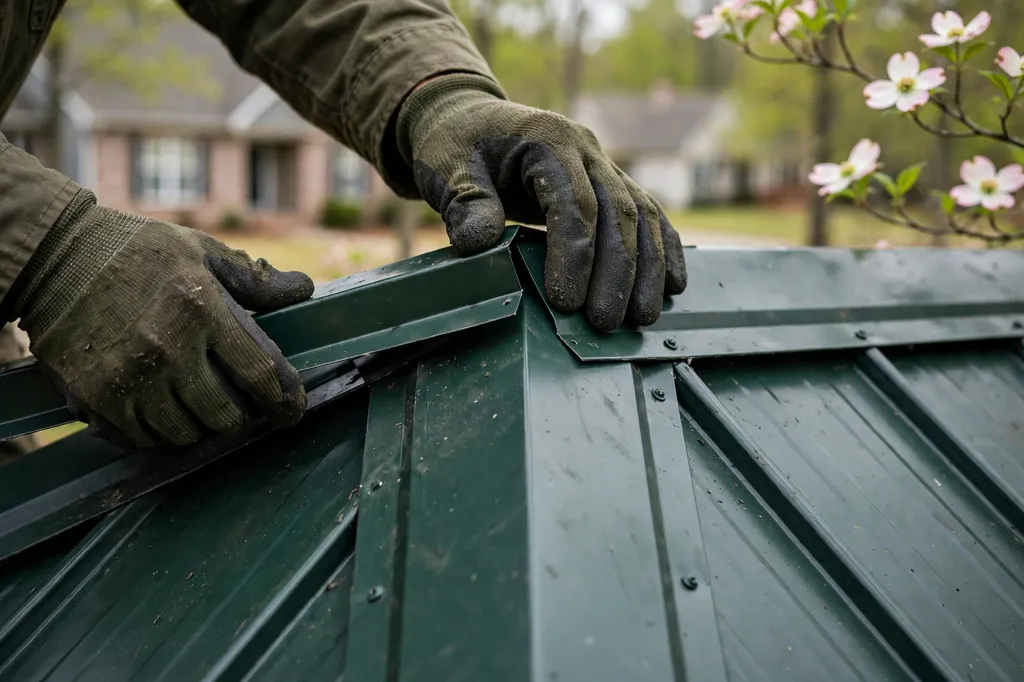
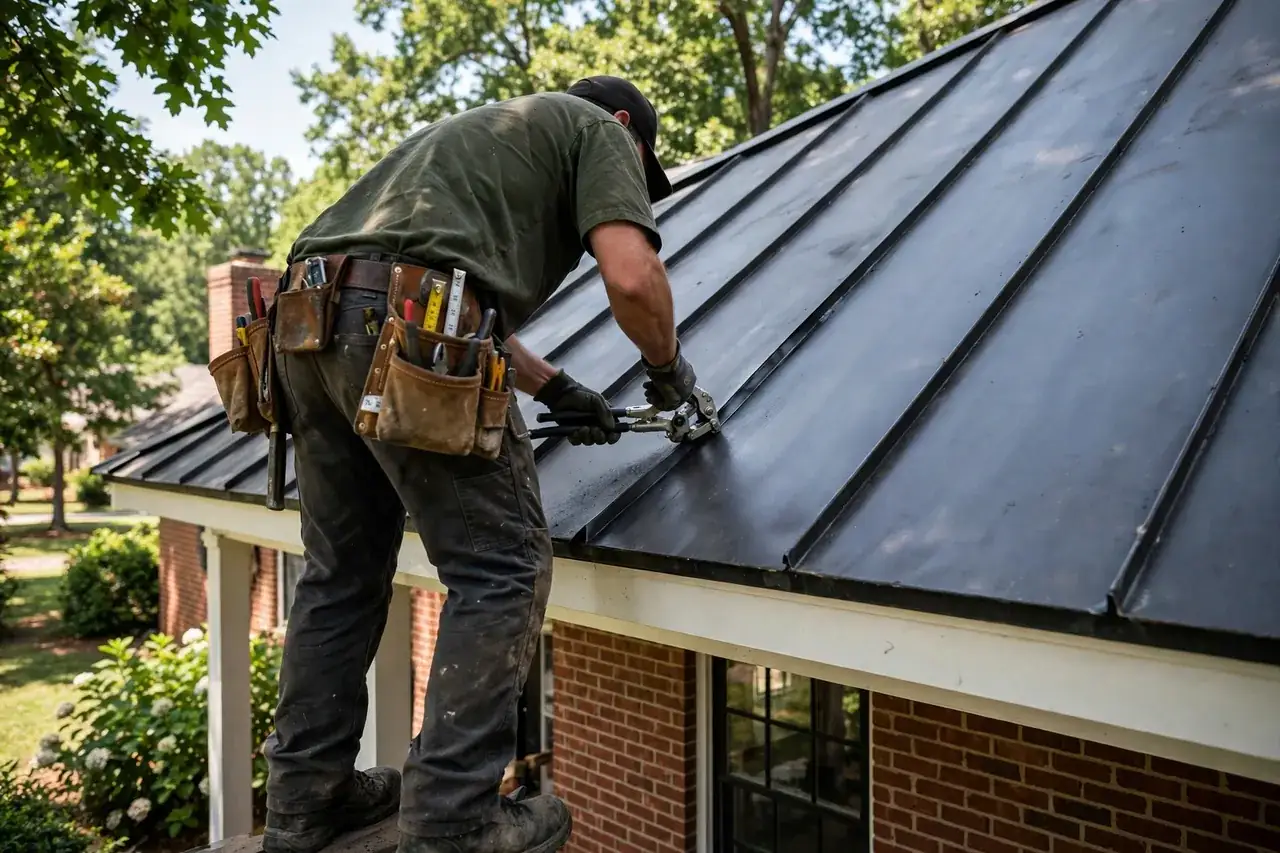
Standing seam metal and metal roofing panels are a good fit for the porches and additions around Spring Street and Price Avenue.
Clay tiles and concrete tiles show up on some of the older downtown buildings and a few homes near the Douglas County Courthouse.
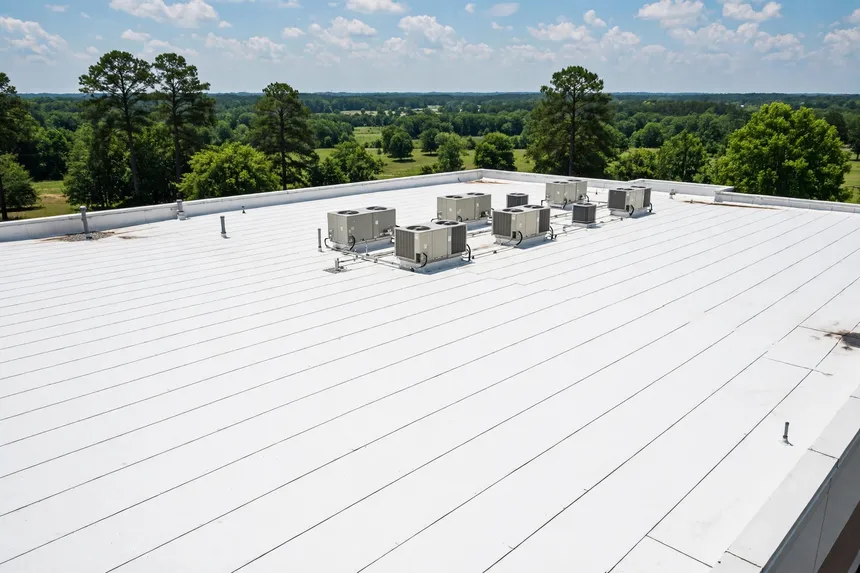
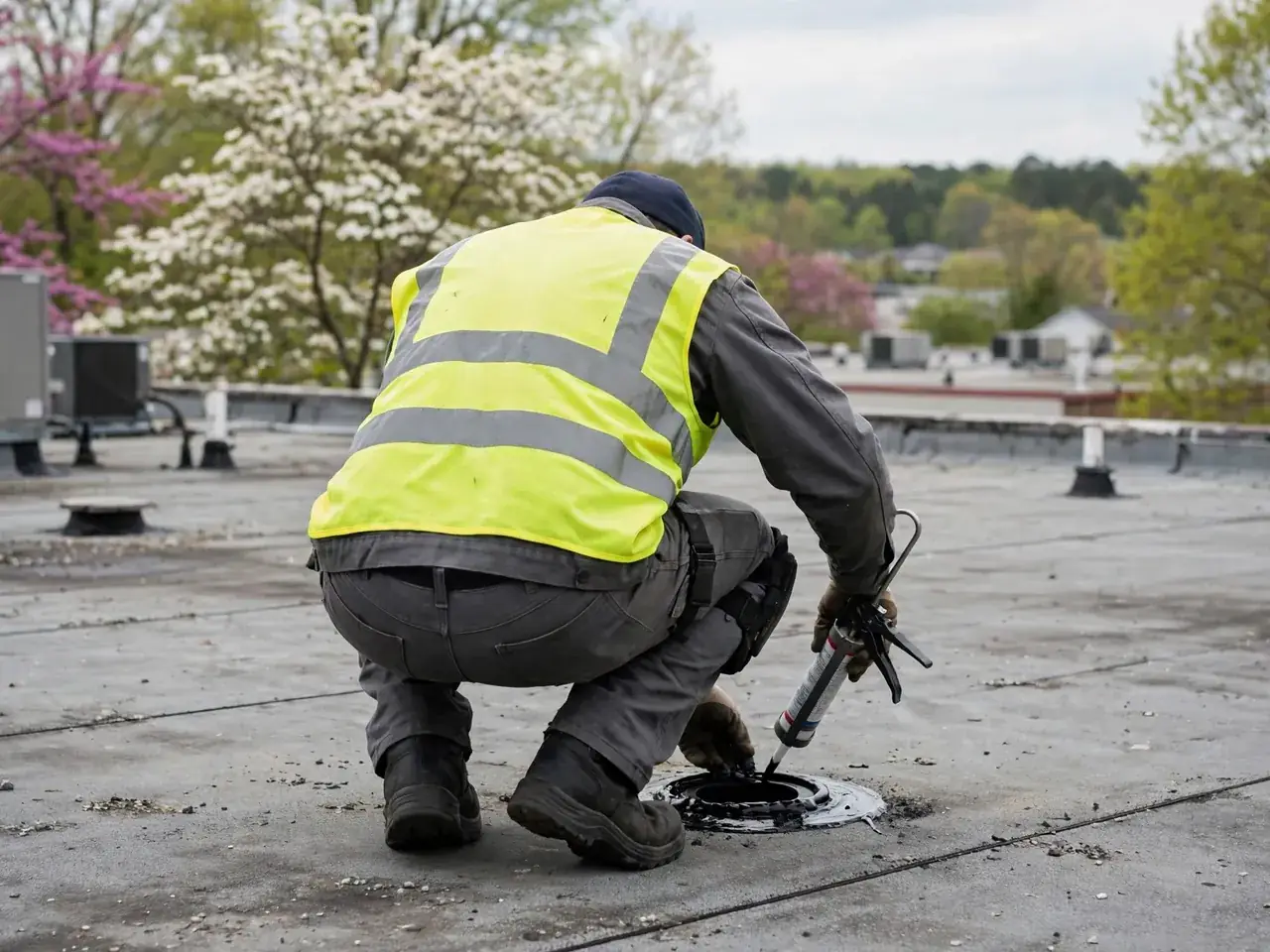
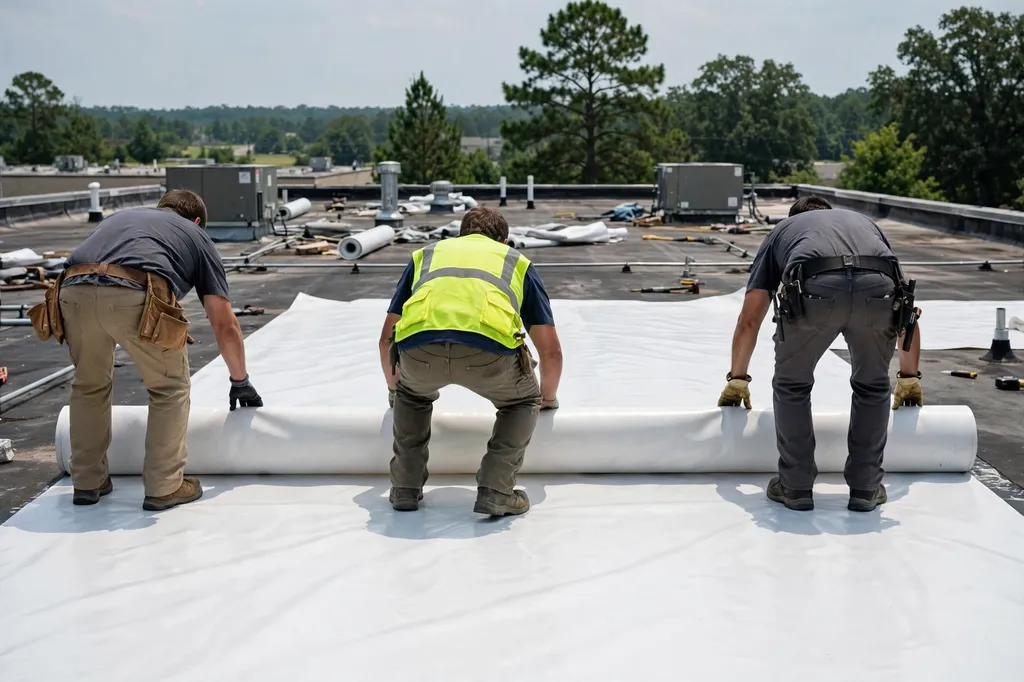
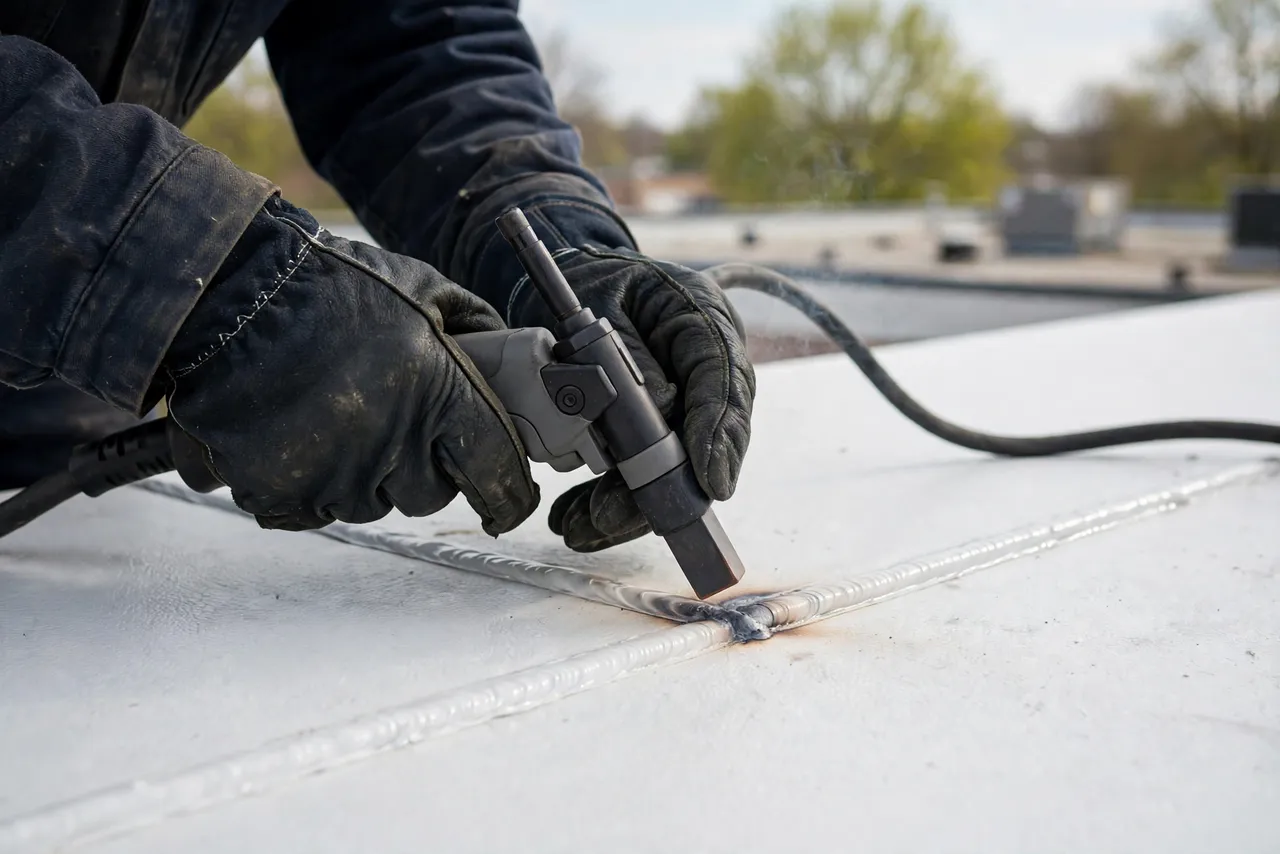
Flat roofing in Downtown Douglasville means commercial buildings, porches and additions.
Downtown Douglasville commercial roofing covers storefronts, offices, churches and county-adjacent buildings.
Residential roofing in Downtown Douglasville runs from single-family homes on Church Street to duplexes and rentals near the Welcome Center.
Emergency roof repair in Downtown Douglasville is usually a tree limb through the deck, a sudden leak over a bedroom, or shingles peeled back after a storm.
Storm damage in Downtown Douglasville comes from straight-line wind, hail and the occasional tornado warning.
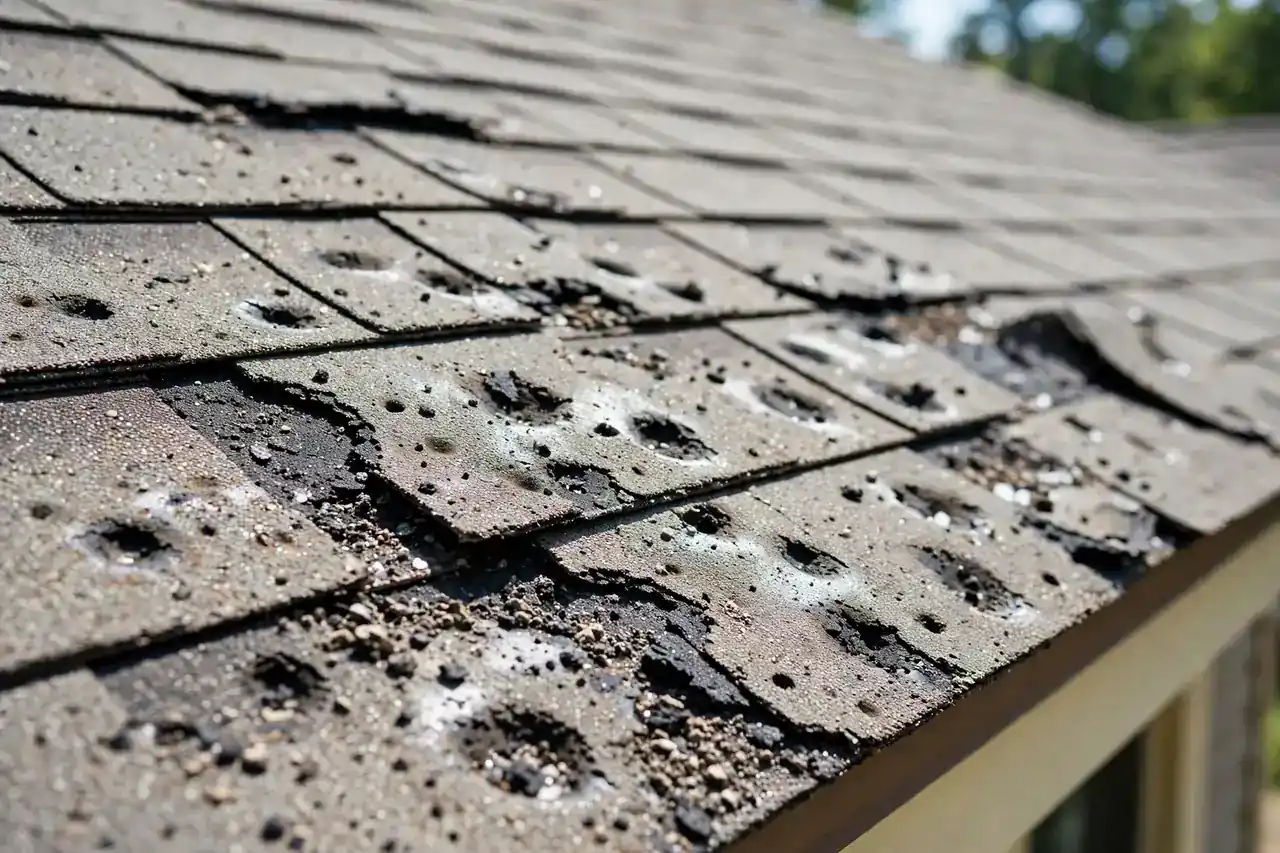
Hail damage is not always obvious from the ground. On Downtown Douglasville roofs we look for bruised shingle mat, dented metal vents and gutters, and granule loss in the impact zones.
Wind damage on downtown roofs shows up as lifted or missing shingles, torn ridge caps and bent flashing.
Leak detection in Downtown Douglasville is detective work. Water enters at the chimney, a vent boot or a valley and travels sideways before it stains your ceiling.
Pick a service to see how we approach it here.
New installation here usually means a new build or an addition in one of the eight villages. We square the deck, set underlayment and flashing, and stage materials around old-growth trees and common ground.
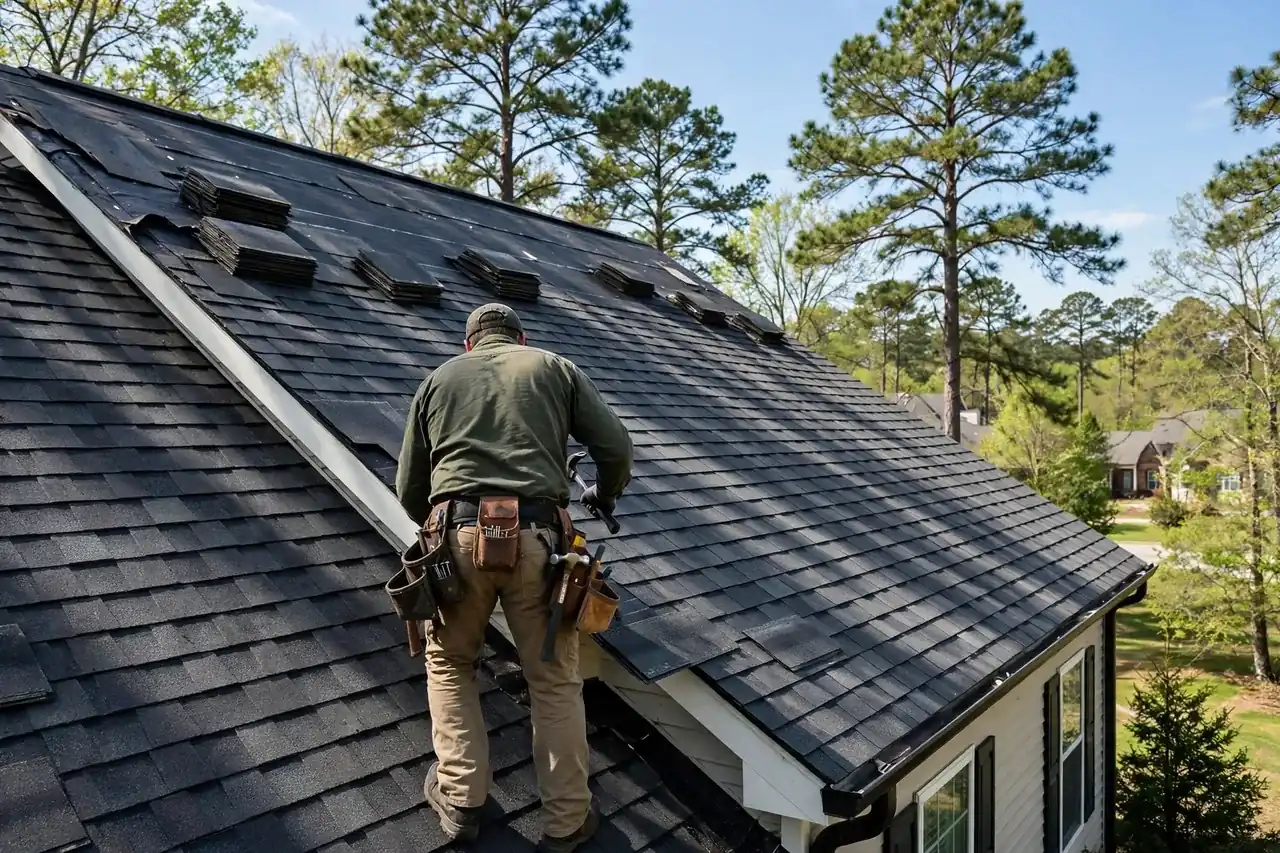
Replacement splits by village era, from 1970s Knollwood and Oakwood stock to 1990s Arbor Crossing and Creekwood homes. Any permit requirement is confirmed for the address first.
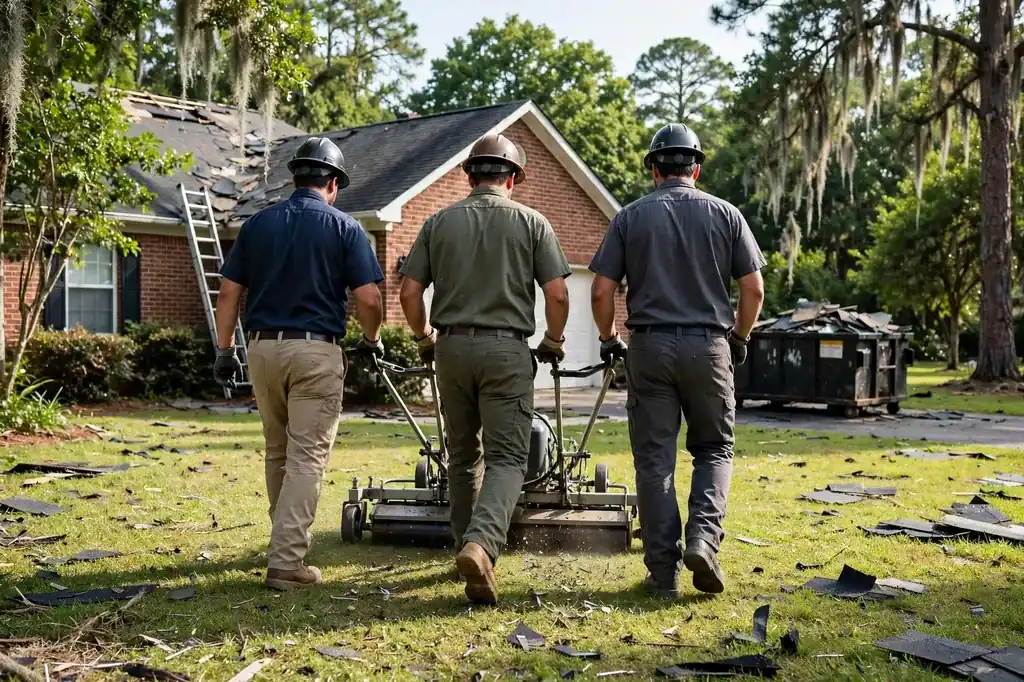
Repair calls are mostly leaks, flashing failure and storm damage on tree-shaded village lots. We trace the water first and confirm any association rule before choosing materials.
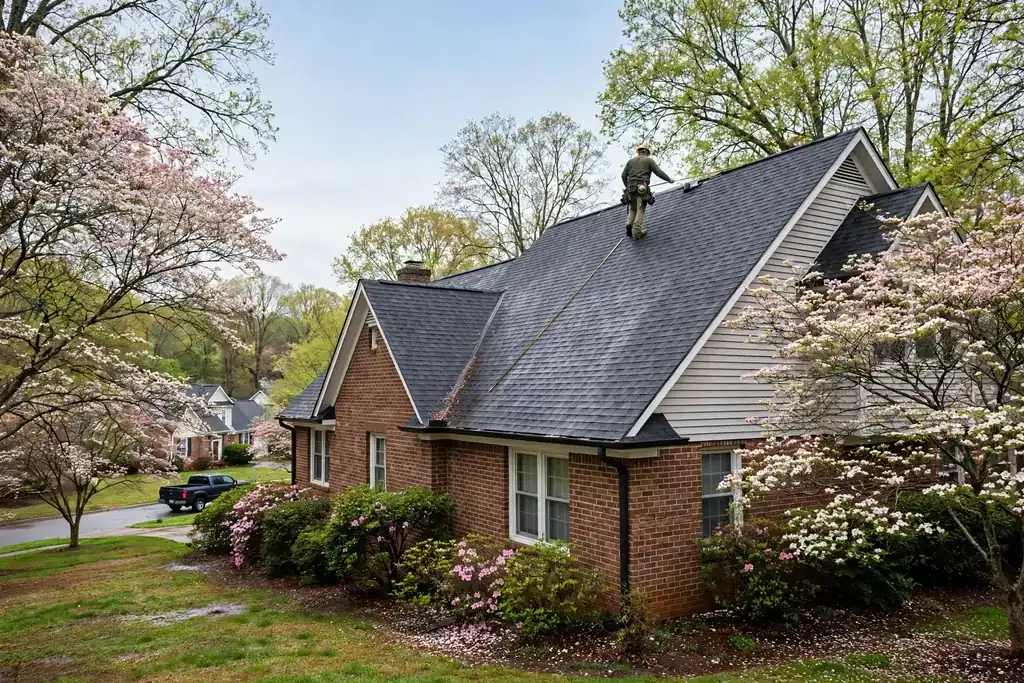
An inspection covers shingles, flashing, valleys, vents, chimney, skylights and gutters, plus an attic check, with the village named first, because the village decides the era and the fee range.
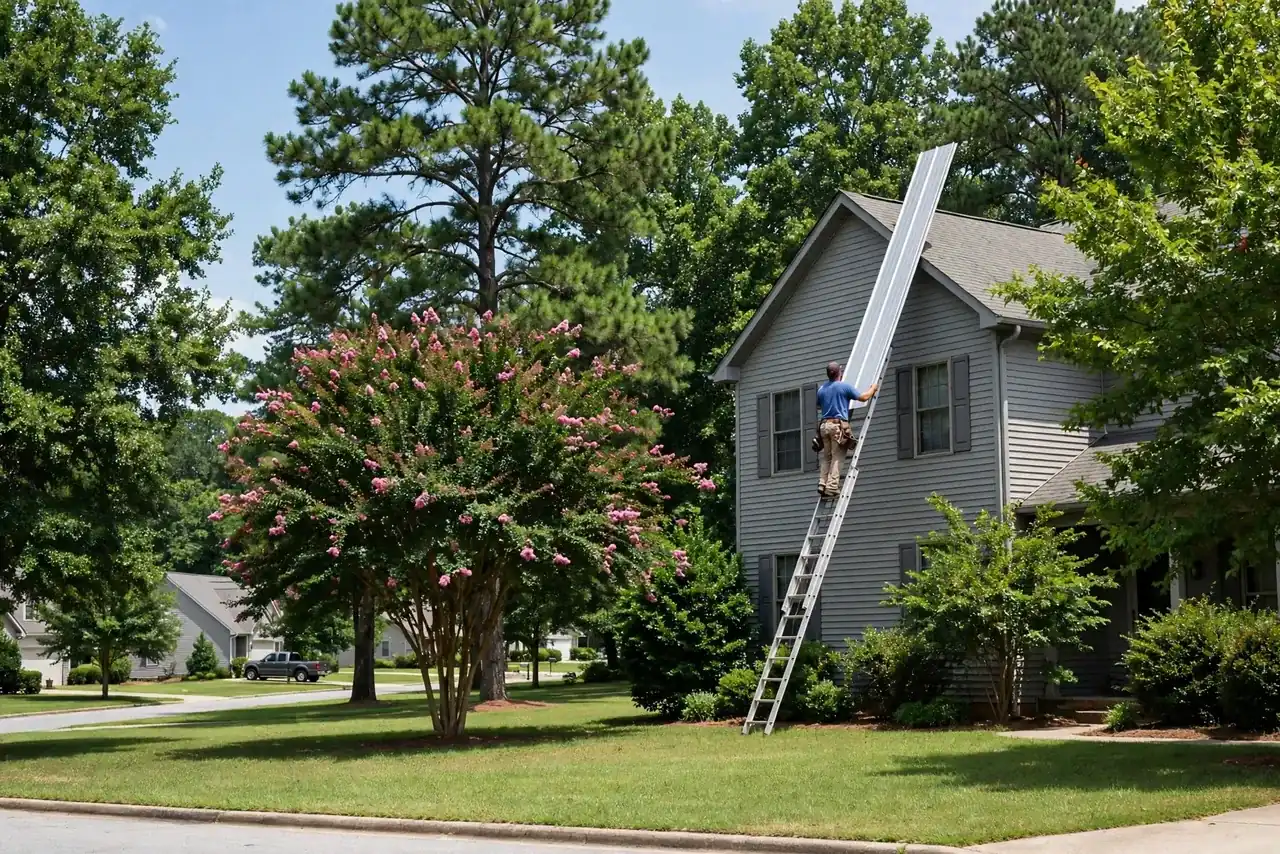
Arbor Station homes need village-by-village scopes; its common ground needs tree and debris work planned alongside the house roof.
Village homes from 1,322 to 4,747 sq ft need scopes by village, not by community average.
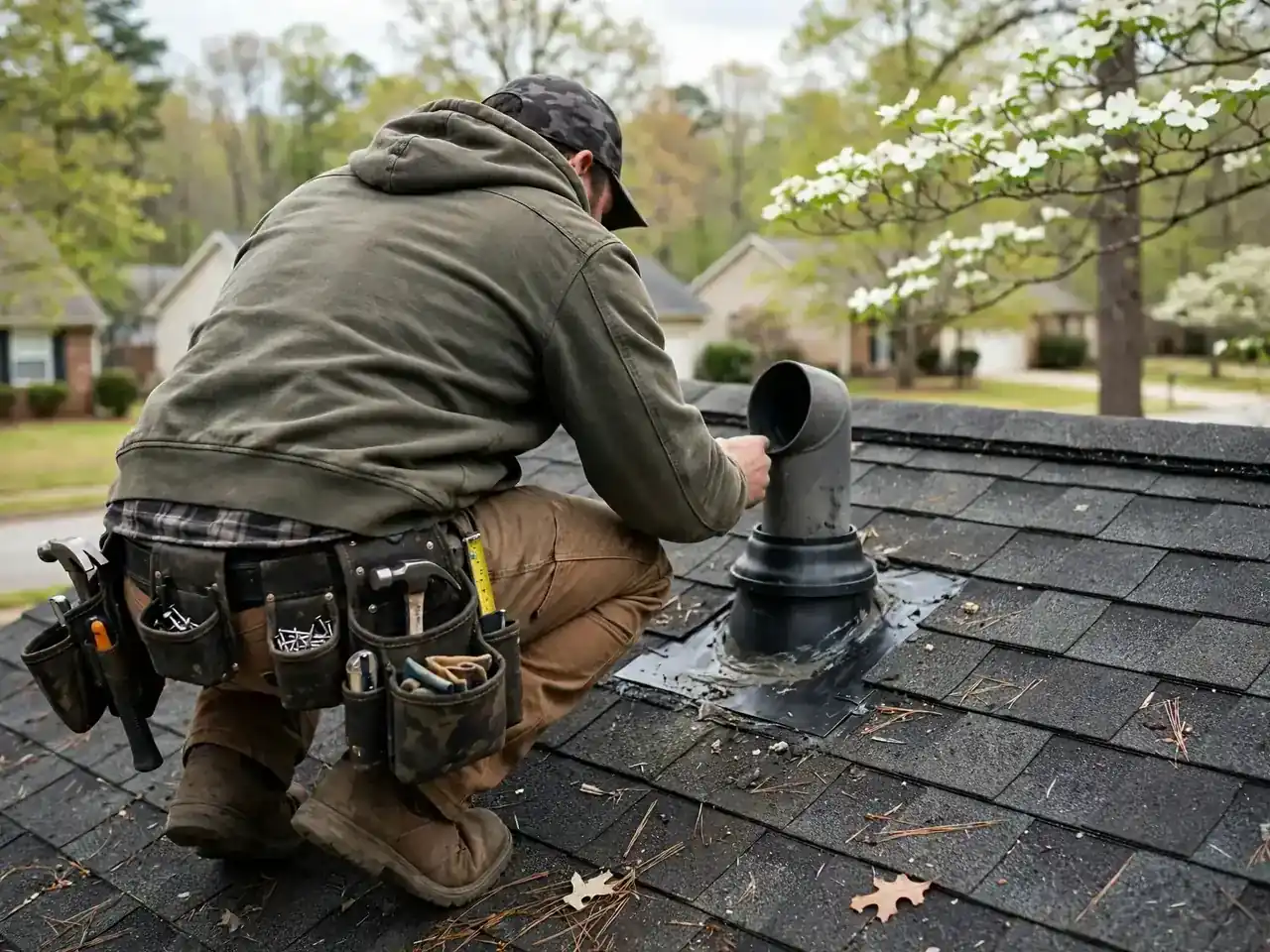
Common-ground trees and shade shape debris loads and access, and association rules shape material choices.
Arbor Station problems come from village-era differences, old-growth shade, and HOA ranges that must not be flattened into one fee.
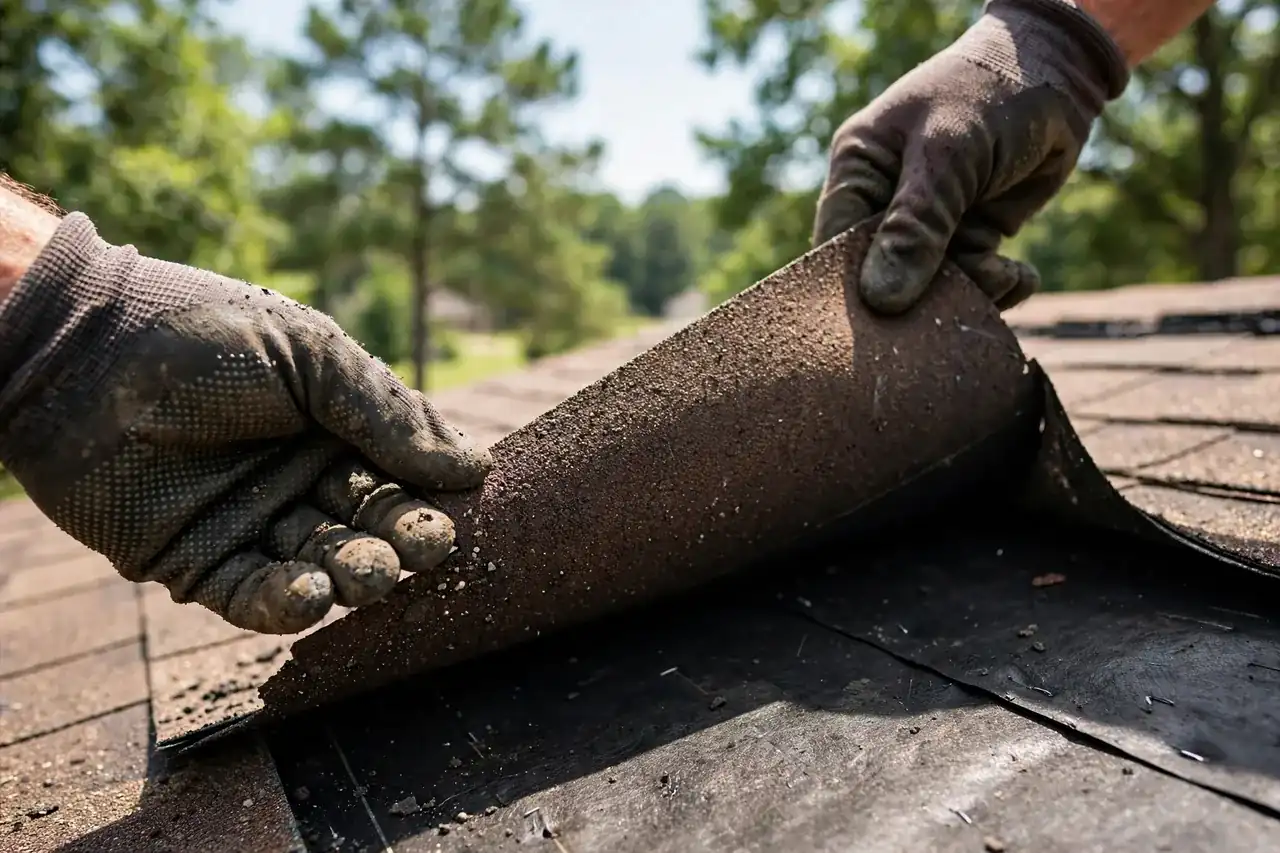
A 1970s village home and a 1990s village home hide different deck and ventilation stories. The village name is the first diagnostic clue.
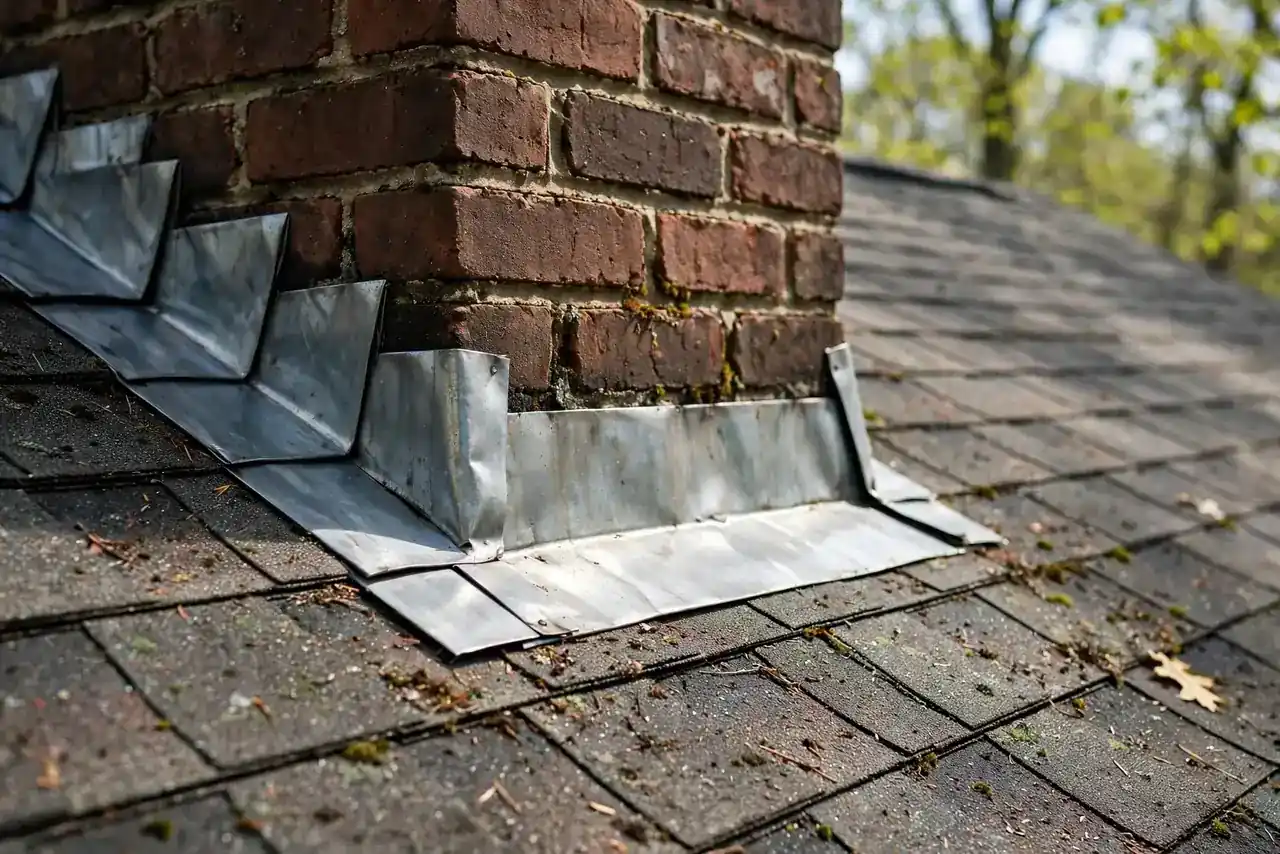
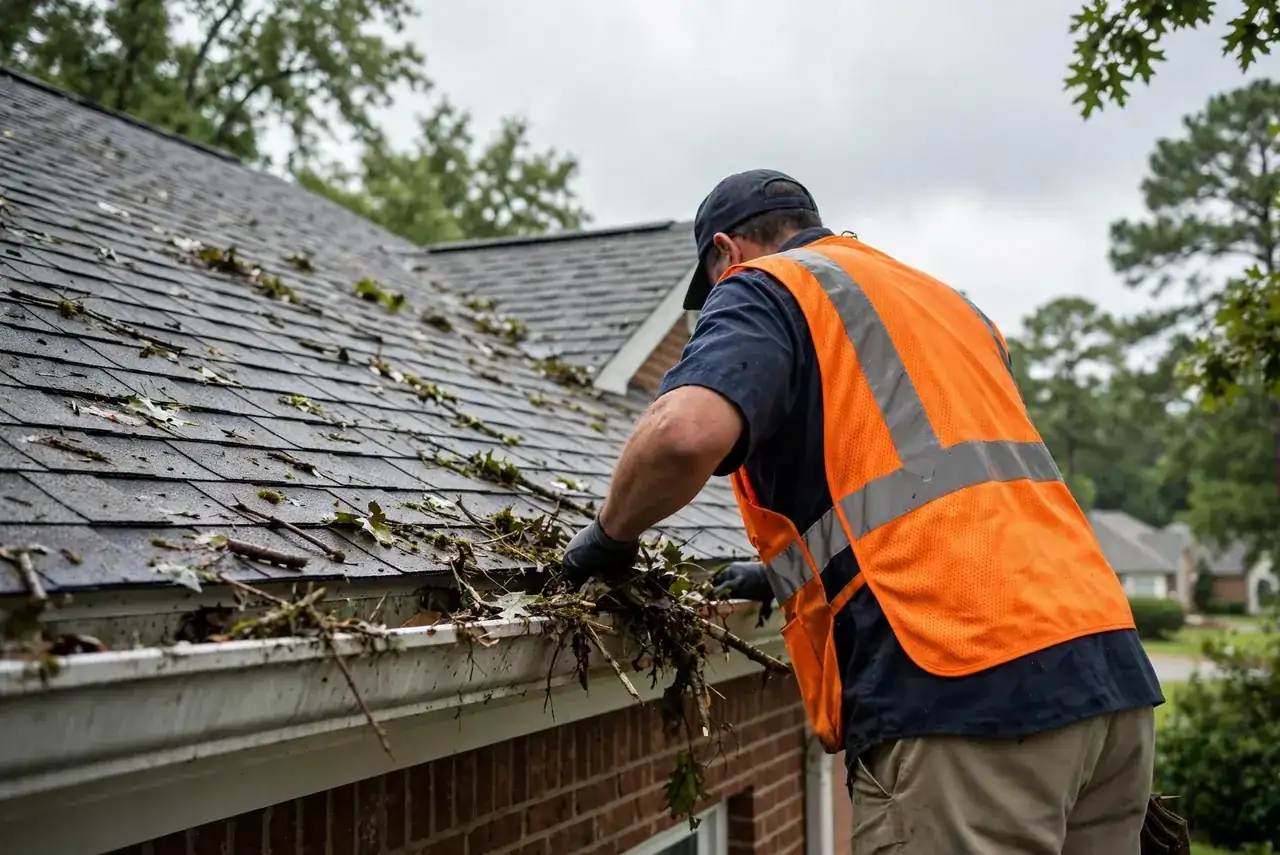
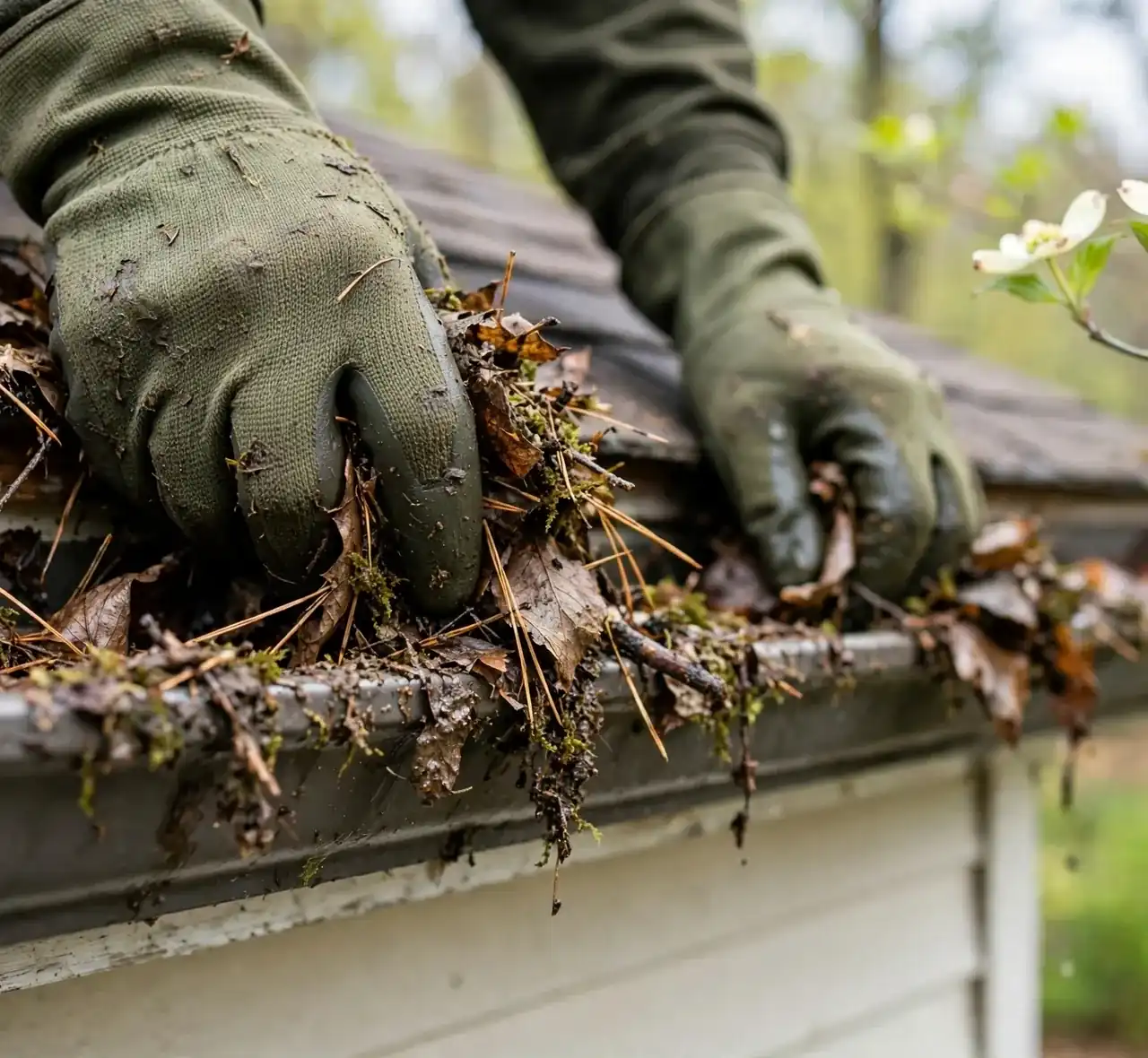
Old-growth-tree lots by design drop debris into valleys and gutters and keep slopes shaded and damp.
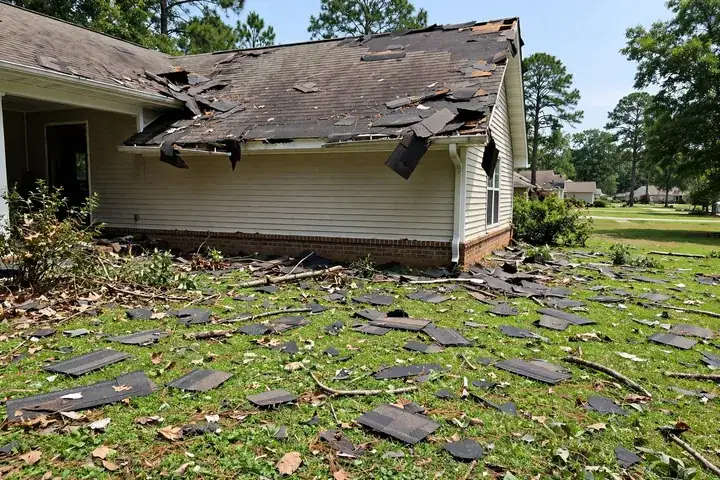
HOA ranges run from $6 to $400 per month across villages and housing types. Quoting one fee for Arbor Station would mislead every village but one.
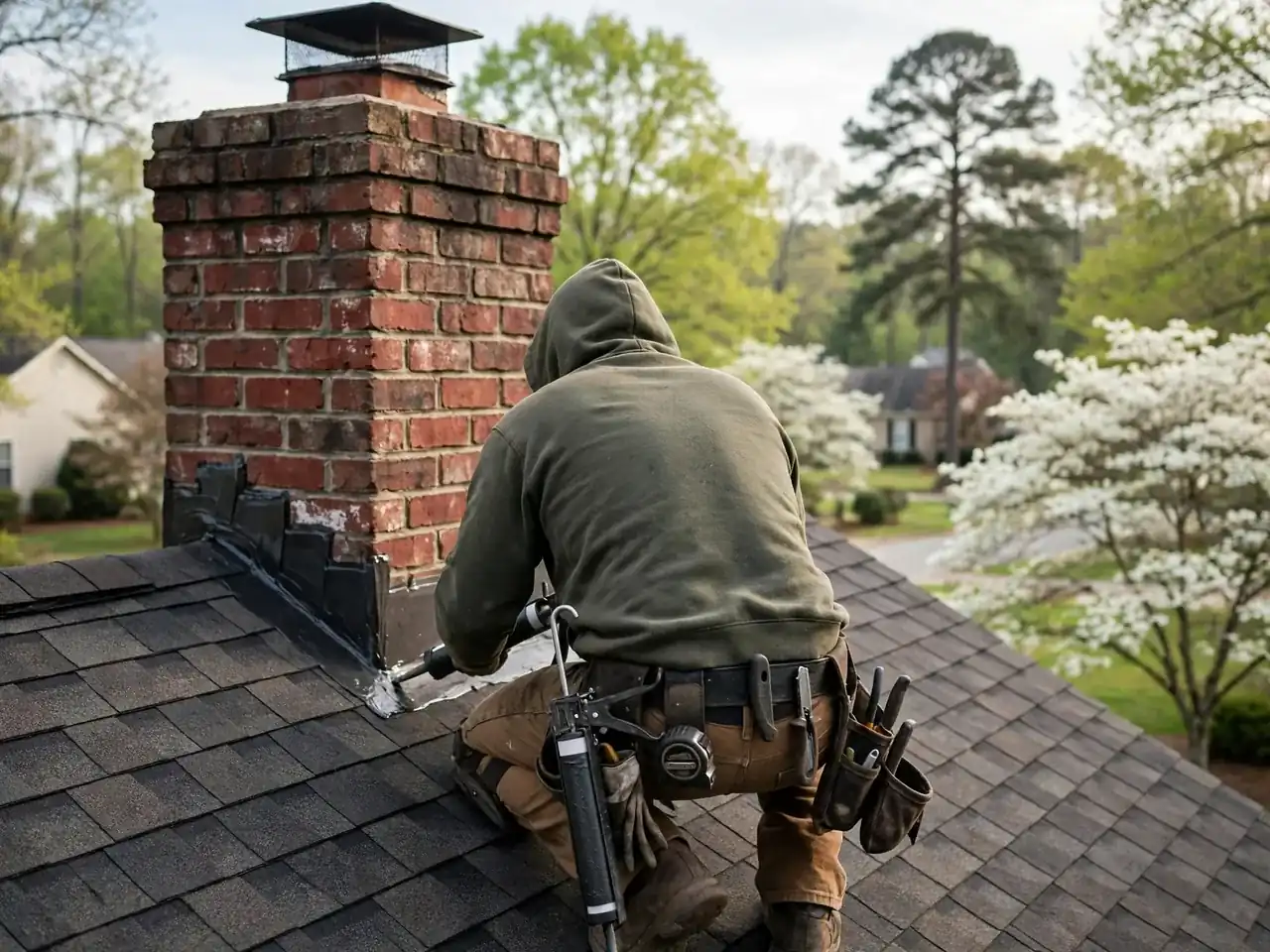
Later village additions meet original roofs at flashing junctions. Sealant patches at those junctions fail again at the same spot.
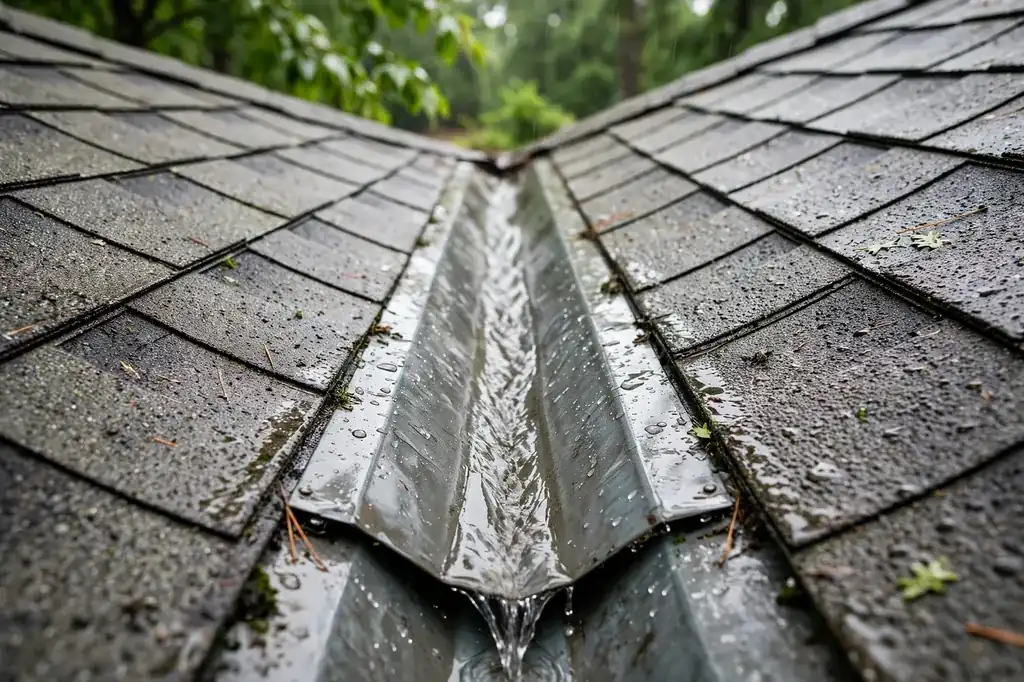
Watch for ceiling stains, granule loss, curling shingles, attic dampness and valley debris before the next storm.
Any one of these is worth a call.
Nothing picked yet. Tap the signs you have noticed and this box will sum them up.
We use the villages and the school to orient crews. Tell us which village you are in and we will find the right street fast.
Landmark
Arbor Station Elementary anchors the community’s school orbit, which Stewart Mill Acres shares without being part of Arbor Station.
Landmark
Springwood is the original, first-built village of Arbor Station.
Landmark
Arbor Crossing is the latest major addition (1990), built 1984-2006, 1,768-3,622 sq ft, HOA $31-$33 per month.
Landmark
Creekwood, 1981-2002, 3,034-4,747 sq ft, is the largest village in the community, HOA $6-$49 per month.
Landmark
Knollwood, 1976-1978, 1,322-3,345 sq ft, carries some of the community’s oldest village stock, HOA $25-$31 per month.
Commercial area
Lakewood mixes townhouses, condos and single-family homes, 1986-1993, HOA $28-$400 per month across housing types.
Commercial area
Oakwood, 1978-1983, 1,602-2,916 sq ft, is a 1970s-to-1980s village, HOA $28-$31 per month.
Transit
Parkwood and Windwood are named in the eight-village list with no separate build-year or fee detail retrieved, so no detail is invented for them.
They were very responsive and answered all my questions while making me feel at ease. I would highly recommend their services.
Arbor Station roofing runs on a seasonal clock: spring storm checks, summer heat under old-growth shade, autumn debris, and winter leak calls.
Arbor Station sits south-central, and the pages below cover the corridors and subdivisions around it.
Straight answers to what people ask first.
As Oct-2026 published market ranges, by measured roof area: shingle replacement $3.50-$10.70 per sq ft, a typical 2,000 sq ft roof $9,600-$16,000, emergency repairs $400-$1,500, metal $8.00-$15.50 per sq ft, and TPO $4-$12 per sq ft. These are market ranges, not a Finnegan quote; your written estimate follows a roof measurement.
Permit rules differ between the City of Douglasville and unincorporated Douglas County, and they are confirmed before quoting. We do not quote a fee or a blanket trigger here; we confirm the requirement for your address before work starts.
Georgia has no state roofing licence (O.C.G.A. § 43-41-17 exemption). A state contractor licence applies only to work over $2,500 or beyond the roofing specialty. We claim no licence number and no manufacturer badges.
Our hours are Monday-Friday 8 AM-5 PM; Saturday and Sunday closed. Call +1 678-751-2052 during working hours for leaks or storm damage; after-hours messages are returned first thing the next business morning.
If you have a leak, a storm-damaged roof or a replacement you have been putting off, call Finnegan Services LLC at (678) 751-2052.
Call us at +1 678-751-2052 or send a message and we will get back to you the same business day. Our hours are Monday-Friday 8 AM-5 PM; Saturday and Sunday closed. We answer the phone during working hours and return after-hours messages first thing the next business morning.